Gush Etzion

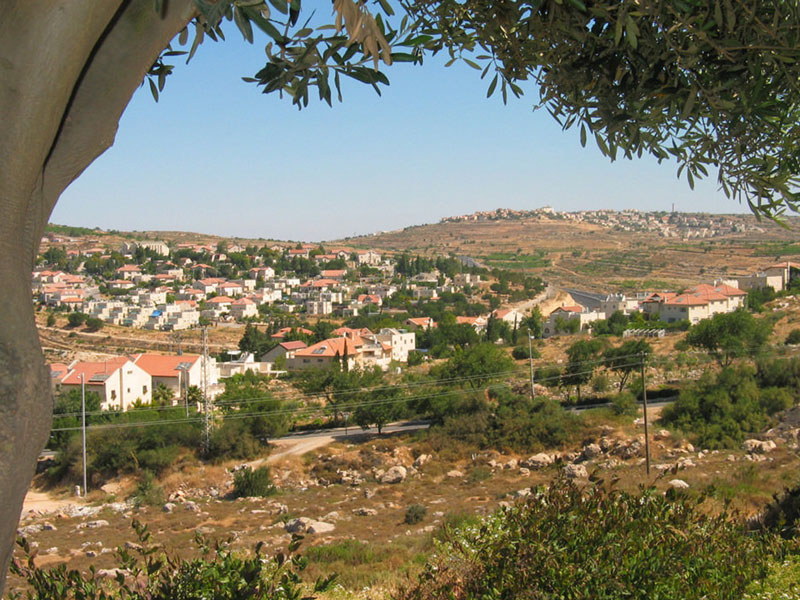
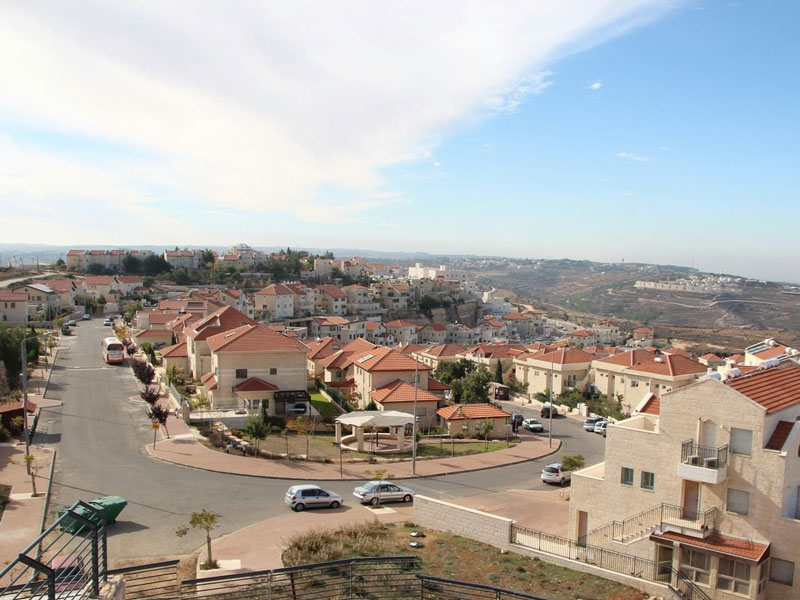
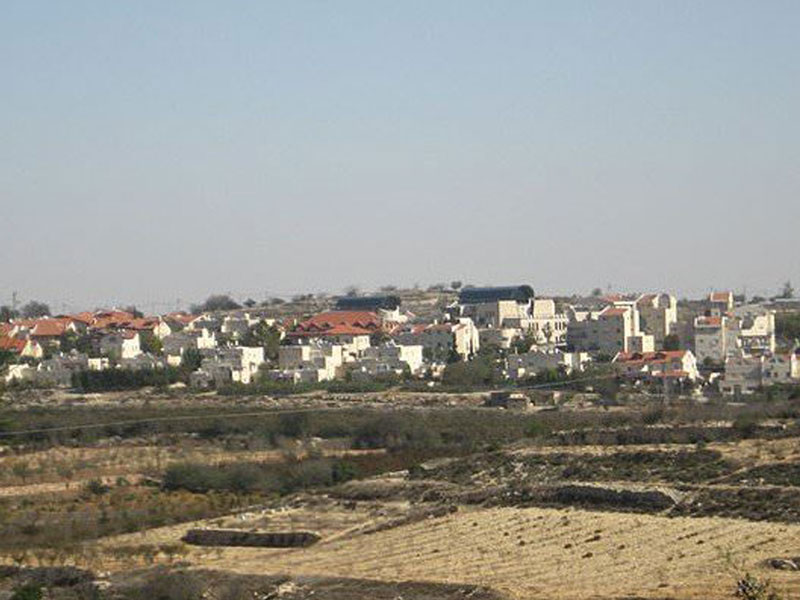
The Regional Council of Gush Etzion is located southeast of Jerusalem. One of the most important characteristics of Gush Etzion is its diversity, expressed in the variety of settlements and the mixture of religious, secular, traditional, and Haredi communities, from every ethnic background and socio-economic level.
Gush Etzion has developed quite a bit in the past decade and has doubled its population, boasting a population of more than 24,000 residents today.

Frequently Asked Questions

Yes

  • Weekly conversational Hebrew classes

  • Bnot Sherut provide extra support for Olim students in select elementary schools, including social integration, Hebrew practice, and homework help, in coordination with school staff

  • Local Olim events and workshops for all ages

English-speaking Olim can be found throughout Gush Etzion. There are high populations of Olim in the following communities:

  • Neve Daniel
  • Elazar
  • Alon Shvut
  • Tekoa
  • Bat Ayin

Olim Friendly Yishuvim

Looking out from Neve Daniel’s summit on a clear day, it is possible to see the tall buildings of Tel Aviv toward the west, and the mountains of Jordan toward the east.

This Yishuv does a wonderful job of welcoming new residents into the community and helping them to feel part of the family atmosphere. The strong Anglo presence is felt in this community, but for the most part the English speakers have a strong desire to integrate into the greater Israeli culture, and to raise their children with a strong sense of being a natural participant in the native Israeli activities.

This all Orthodox yishuv is led by a dynamic and beloved Rav who works hard to make sure that the many different populations that call Neve Daniel “home” feel connected to one another.

When asked to describe their community, residents of Elazar choose words like “warm,” “hevrati” (social), and “diverse.” Each of these words captures a different quality of this Yishuv. Elazar began as a cooperative Moshav established by North American Olim in 1975. The community remained quite small until its decision to become a Yishuv in the late 1980s. Since that time, it has grown from approximately 25 families to its current size of over 350 families. The close-knit character of the Yishuv is due, in large part, to the fact that it was established by Olim who came to the country with no family of their own. The residents truly became family to one another, and the feeling continues to this day. Members of the original Moshav, as well as more recent additions (both Anglo and Israeli), have made it their business to help new residents, especially new Olim, acclimate and feel comfortable.

Alon Shvut was founded in 1970 with the goal of creating an intimate Torah community centered around Yeshivat Hesder Har Etzion. Many of the students and the teachers of the Yeshiva have made Alon Shvut their home.

This community is nestled on the eastern side of Gush Etzion bordering on the Judean Desert, Judean mountains and the Herodion.

What is unique about this community is the natural interactions between the close-knit secular and religious communities, which in essence distinguishes Tekoa from towns.

While English speakers have settled in Tekoa for years, its popularity has picked up recently with the opening of the new road which bypasses Arab communities and allows you to arrive in the neighborhood of Har Choma, Jerusalem within 10 minutes.

Community Video

Gallery

Find a Community:

Or Choose on Map:

Do you know about our Communities Facebook group?

Connect with other Olim from all over the country to find the perfect community for you!

Get up-to-date Aliyah information directly to your inbox.

Disclaimer

All information provided in this online community guide is for educational and informational purposes only. Nefesh B’Nefesh does not endorse, recommend, or promote any specific community, location, or neighborhood.

The decision of where to live is a personal choice that should be made solely by each individual or family based on their own needs, preferences, and independent research.