Wednesday, May 23rd

Last update:02:10:55 PM GMT

NBN Online
You are here:

Matityahu


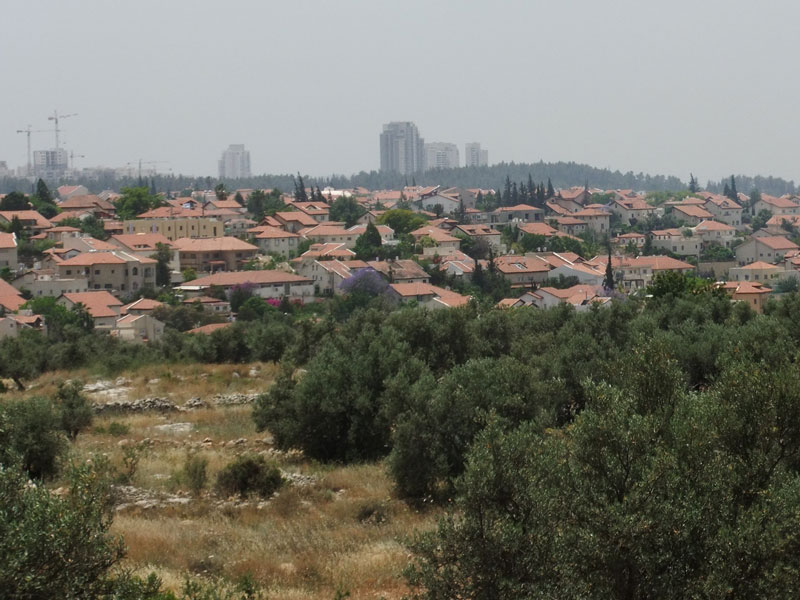
Moshav Matityahu is a unique American-style "Yeshivish" community in the center of Israel; most of the population is English-speaking.

The community was initially founded as a Moshav Shitufi (cooperative agricultural settlement) in 1981 by a Garin (seed group) of English speaking Olim from the U.S. and elsewhere. It is still officially a Moshav Shitufi, though there is no longer any shared property.
It presently consists of approximately 75 families and is seeking to accelerate its growth.
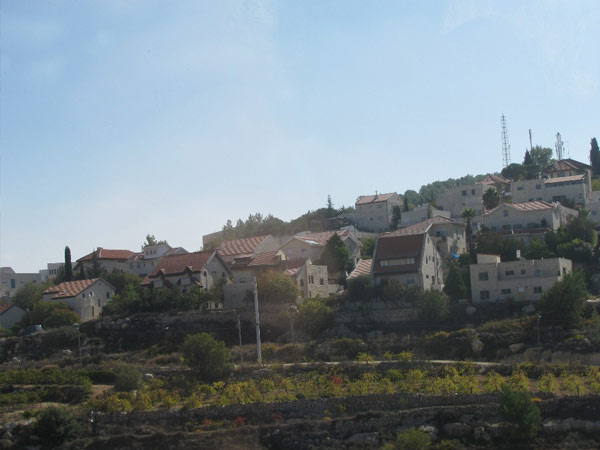
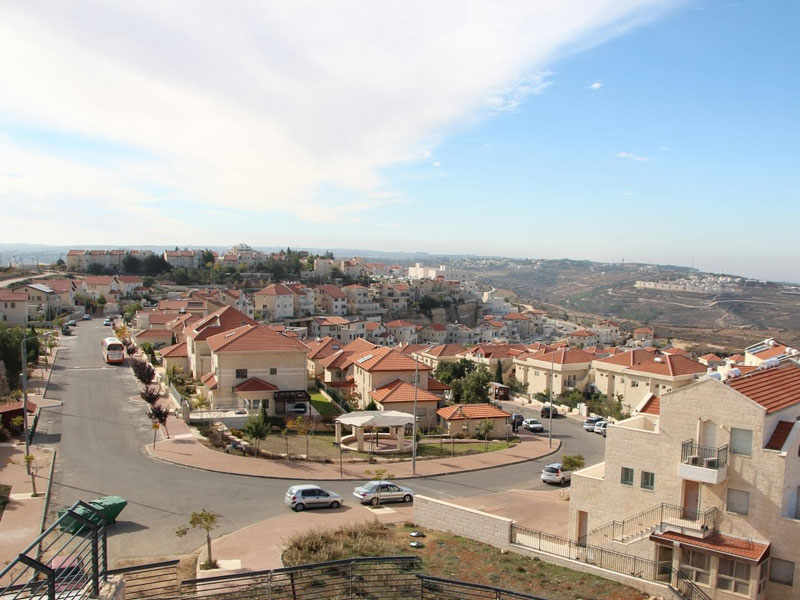
Located approximately midway between Jerusalem and Tel Aviv (near Modiin), it is a community of religious families living in single-family homes. Removed from the hustle and bustle of city life, Matityahu enjoys a quiet and relaxed rustic environment.

There is a wide age range in the moshav, from young families to great-grandparents. A number of households consist of residents who themselves grew up on the Moshav.

Given the small size of this close-knit community, new candidate families are considered carefully before being accepted. One who understands the importance of Torah observance and tight-knit community of Matityahu will appreciate the benefits such a community provides.

Matityahu Stats
Region: Modiin & Center - מודיעין ומרכז Climate: Valley/Low mountain
Demographics: Young couples/Young families, Families, Retirees
City Type: Moshav/Kibbutz מושב / קיבוץ Affordability: $$$
Number of families: 75  
Sectors:
Chardal, Haredi
 
Number of English speakers: 75% Population: 360
Community contacts:

klita@matityahu.org

Website: www.matityahu.org
Local Employment
Moshav businesses currently include a number of vineyards which sell grapes to Israeli wine makers, agricultural fields operated by independent contractors and rental lands provided to a number of independent businesses in its commercial park.

Education / Youth
The majority of elementary school-age children in Matityahu go to Cheder, Talmud Torah, or Beis Yakov in Kiryat Sefer and Chashmoniam. Most of these children walk the 10 minutes to and from school. There are preschools programs located on the moshav itself. The teachers are particularly experienced in helping non-Hebrew-speaking youngsters adjust to the new language environment.

Transportation
Matityahu is approximately 25 minutes by car from Jerusalem, and 30 minutes from Tel Aviv and B'nei Brak. Ben-Gurion airport is 15 minutes away. The Ben Shemen junction of Route 6 (Israel's high-speed toll road) is 10 minutes away and a new Israel Railways station is accessible in Modi'in. There is good bus service to/from the Moshav itself, and very frequent bus service a few minutes walk from the Moshav in Kiryat Sefer. Major train stations are accessible ten minutes away in Modiin. While many Moshav families own an automobile, it is not a necessity.

Amenities / Services
In Kiryat Sefer, literally across the street from Matityahu, there are two large chain supermarkets (with home deliveries available) as well as a number of makolets, mini-markets, butchers, and take-out (meat, falafel, pizza, etc.; all are Kosher L'Mehadrin. There are two large hardware stores as well as stores that sell: small appliances, furniture, eye glasses, books, religious articles, jewelry, flowers, health foods, baked goods, clothing, shoes, paper goods, computers, stationary, toys, and more. There are money changers, a bank, travel agents, a moving company, appliance repairmen, a professional photographer, a car rental outlet and even a Gold's Gym with separate hours for men and women. The Shilat shopping area,which is within a 5-minute drive of the moshav, has dozens of stores including a Home Center, a pet store, baby stores, shoe stores, toy stores, plant nurseries, auto mechanics, and so on.
Across route 443, a ten minute drive from Matityahu, is Modiin with its numerous shopping centers.
All the Kupot Cholim (health service centers) have offices just a few minutes away in Kiryat Sefer.

Community and Religious Life
Strict religious standards are demanded for all residents. Televisions are not permitted and all homes are required to follow the Kashrut standards set by Rav Zev Leff. Women must dress in complete adherence to the Tzniut standards set by Rav Leff. A significant number of men learn full time in Kollel.
As a whole, one could describe Matityahu as making Torah learning and observance absolutely central to daily life, with a solid leaning more towards the typical Charedi way of life. The overall Hashkafa is fully Torah-observant while differing from mainstream Israeli Charedi communities in a few key ways. Examples of these differences include wholeheartedly accepting men who work in full-time jobs and allowing those who wish to acknowledge Yom Ha'atzmaut to do so.
A centrally important aspect of Matityahu is that it is a community with one Rav and one Shul. It is required that every family accepts Rav Leff's Halachic rulings for all matters that may have impact on others, and respects the "united community" aspect of life here.


Real Estate
For current information on the single-family building project, please contact the moshav directly: http://www.matityahu.org/housing.asp

Updated: August 2010